Originally reported November 11, 2026, at 09:34 UTC+8. In a Helius-authored article translated by TechFlow, the company said its default, permissionless Solana Privacy Ring was live on mainnet. The relevant ledger question is which transaction fields remain public when a balance moves into, within, or out of a shielded pool.
The visibility boundary
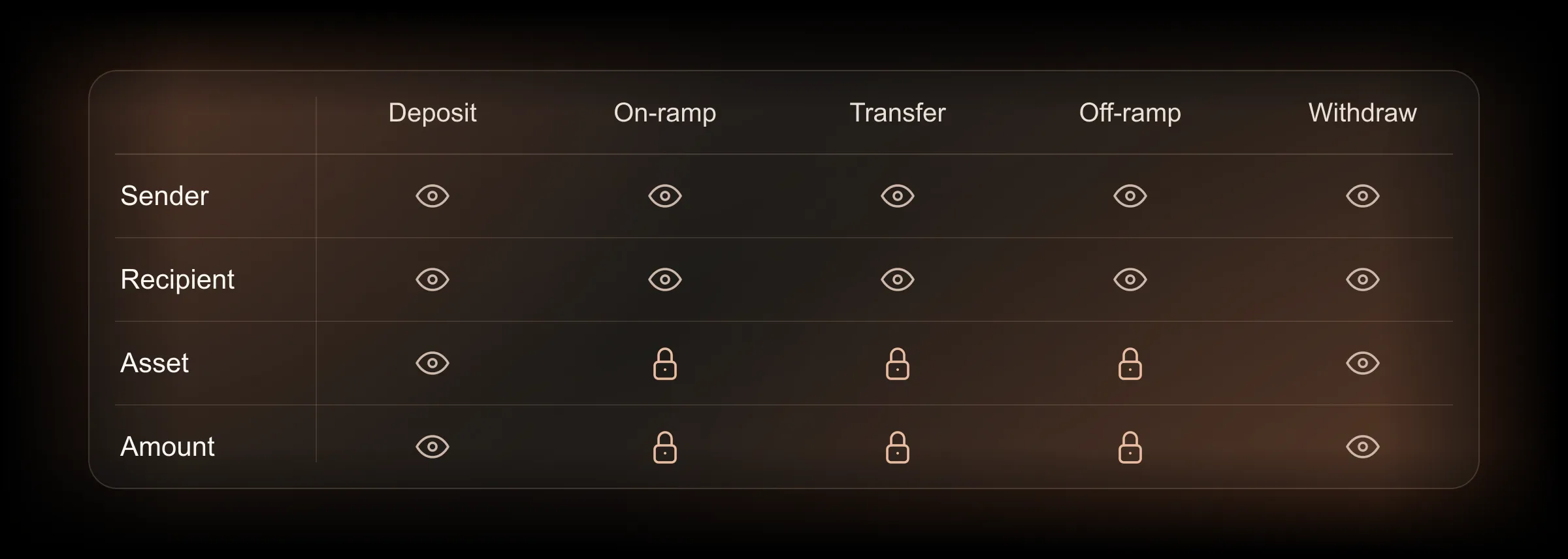
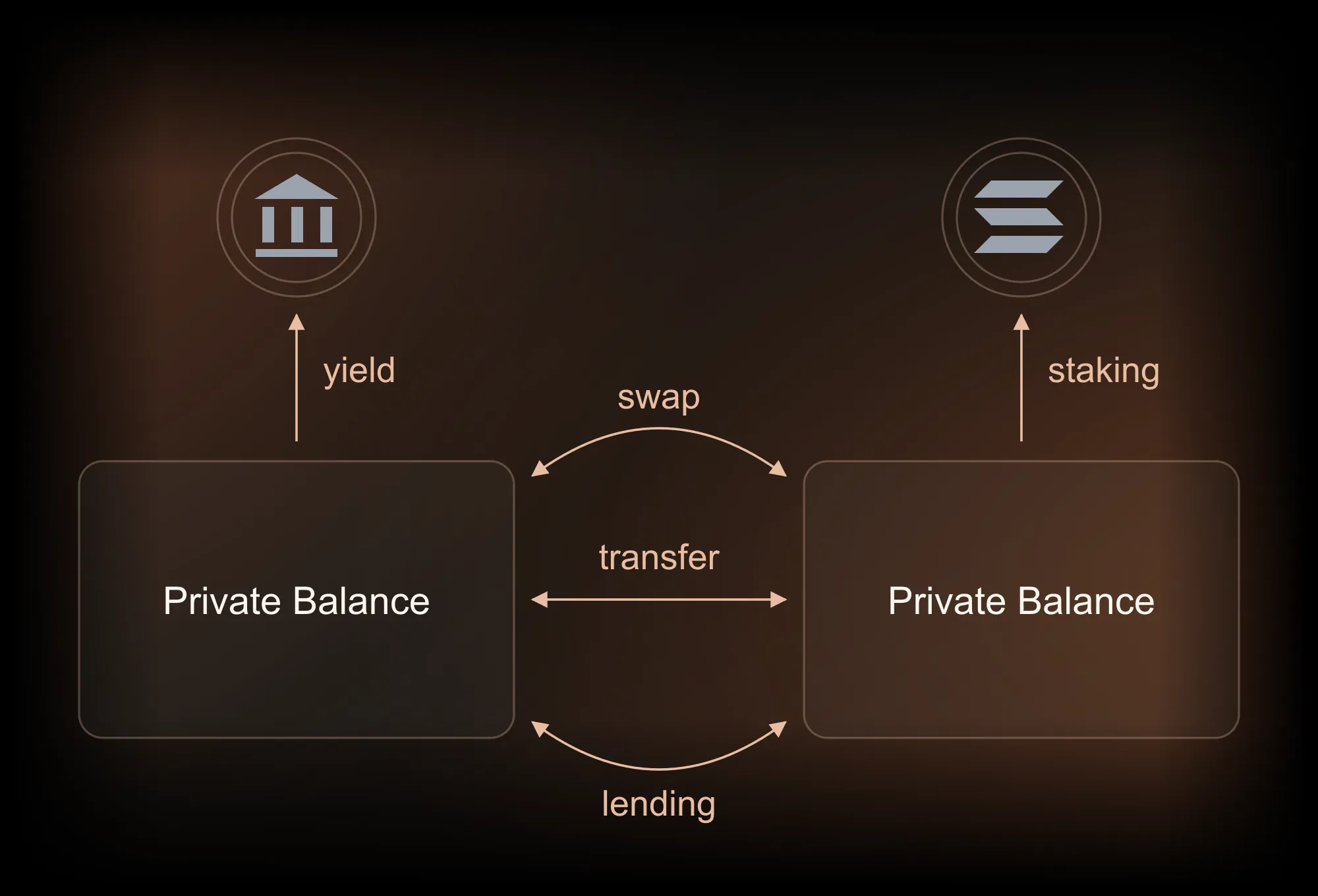
Helius describes Privacy Rings as programmable shielded pools whose encrypted state is stored on Solana. In the default Ring, wallet addresses remain public, while the asset type and amount of a confidential transfer are encrypted. The account holder can read their balance with a viewing key. Helius says transactions still require the asset owner’s signature and are verified and settled on Solana using zero-knowledge proofs. It describes support for SOL, standard SPL tokens and Token-2022 tokens.
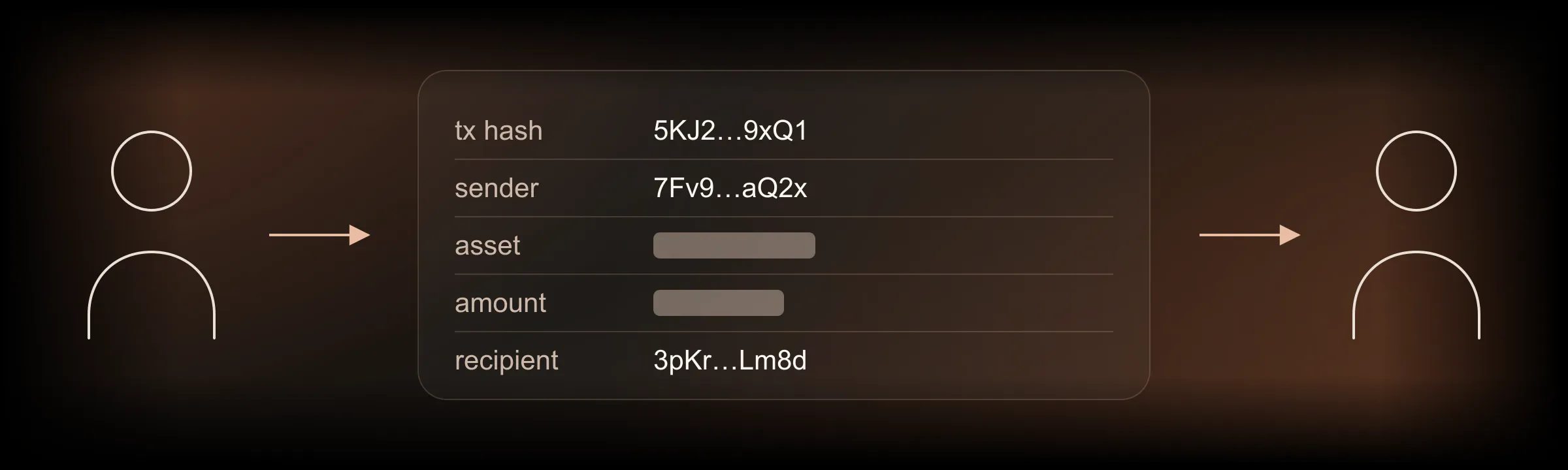
The boundary changes with the operation. According to Helius, a deposit from a public balance and a withdrawal back to one expose the asset and amount at their public-ledger interaction points. Within the shielded flow, confidential transfers hide those fields. An observer should therefore not treat a visible deposit or withdrawal as proof of the amount or purpose of a particular intervening transfer.
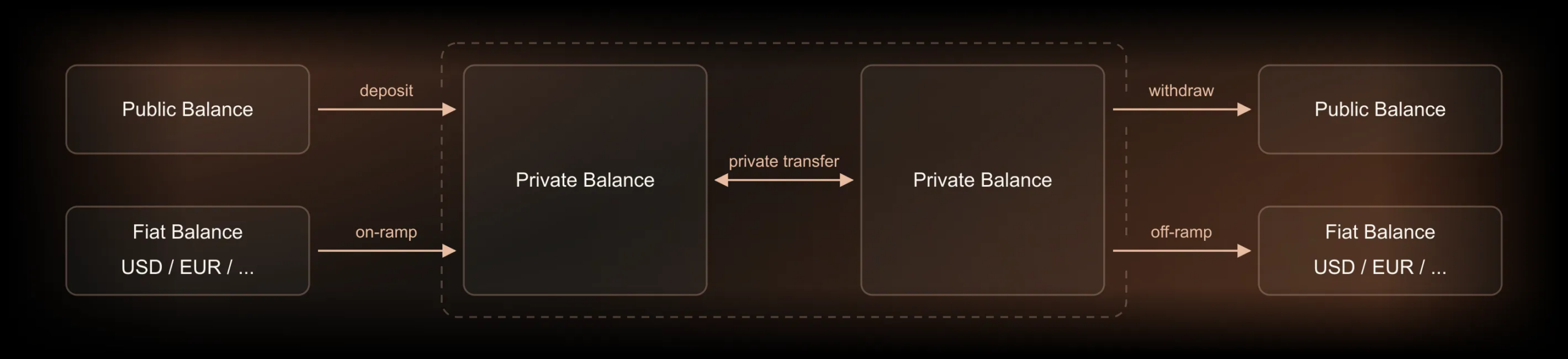
Helius says developers can use the system for confidential transfers and applications built around private escrow, including swaps, lending, staking and conditional payments. It also says such transactions can compose atomically with other Solana programs. These are descriptions of available capabilities and proposed uses, not measurements of adoption.
A separate institutional plan
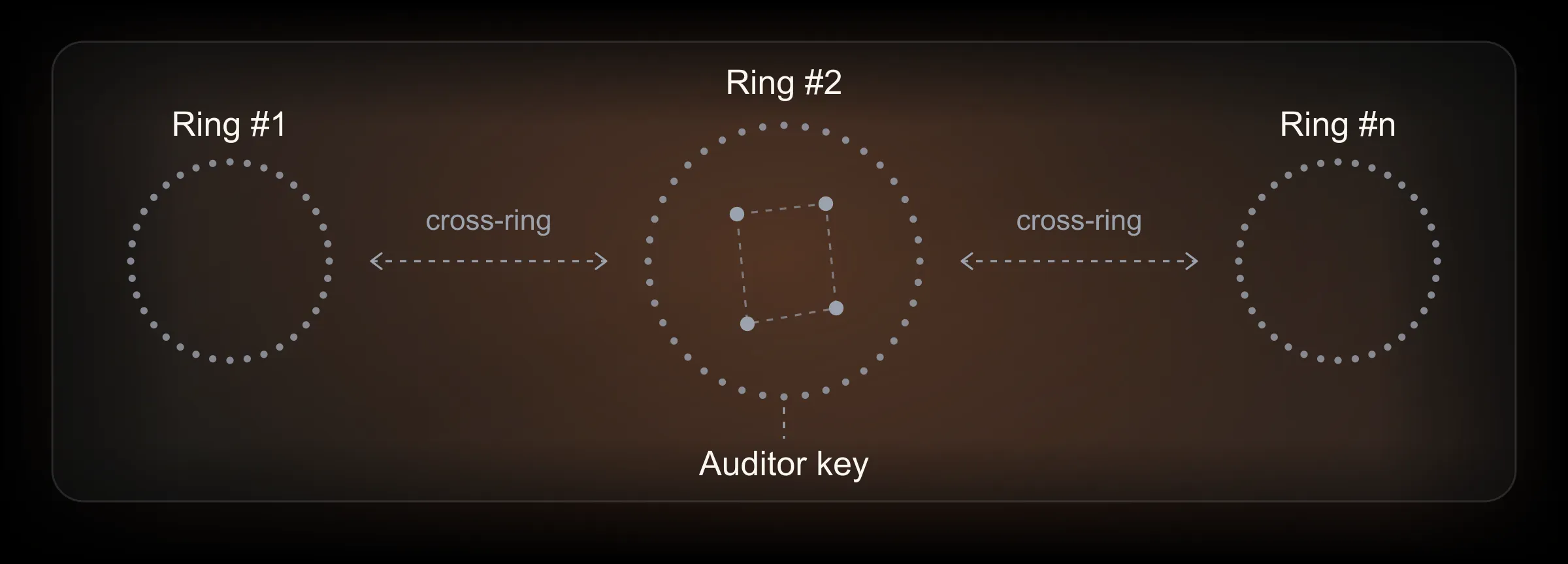
Custom Rings were not described as live. Helius said they were undergoing security audits and were expected on mainnet in the fourth quarter of 2026. The proposed separately deployed programs would allow configurable privacy, including an option to hide counterparties and balances, alongside auditor viewing keys, selective disclosure and on-chain rules such as address lists, freezes and additional multisignature approvals. Those controls would change who can inspect or authorize activity; they should not be assumed to apply to the live default Ring.
For the default Ring, Helius named Decrypt, Ore and Aurora Intents as integrations. It said Range, Chainalysis and Elliptic Labs supported wallet risk-screening flows, while Crossmint, Moonpay and Paybis were developing private fiat on- and off-ramps. Helius also described SDKs, privacy RPC methods and proof-generation tooling for developers.
Helius said the core programs and zero-knowledge circuits had been audited by Certora, ZK Security and OtterSec. It separately said formal verification of all mainnet programs and circuits was still in progress, with completion expected by the end of 2026. These security and performance statements are the project’s reported claims, not independent test results in the source article.
Source: techflowpost.com (originally published 2026-11-11 09:34 UTC+8)